Echoes of Us
Community storytelling, real-life experiences, and intergenerational stories.
Echoes of Us focuses on community storytelling, real-life experiences, intergenerational stories, story circles, audio storytelling, and digital storytelling.
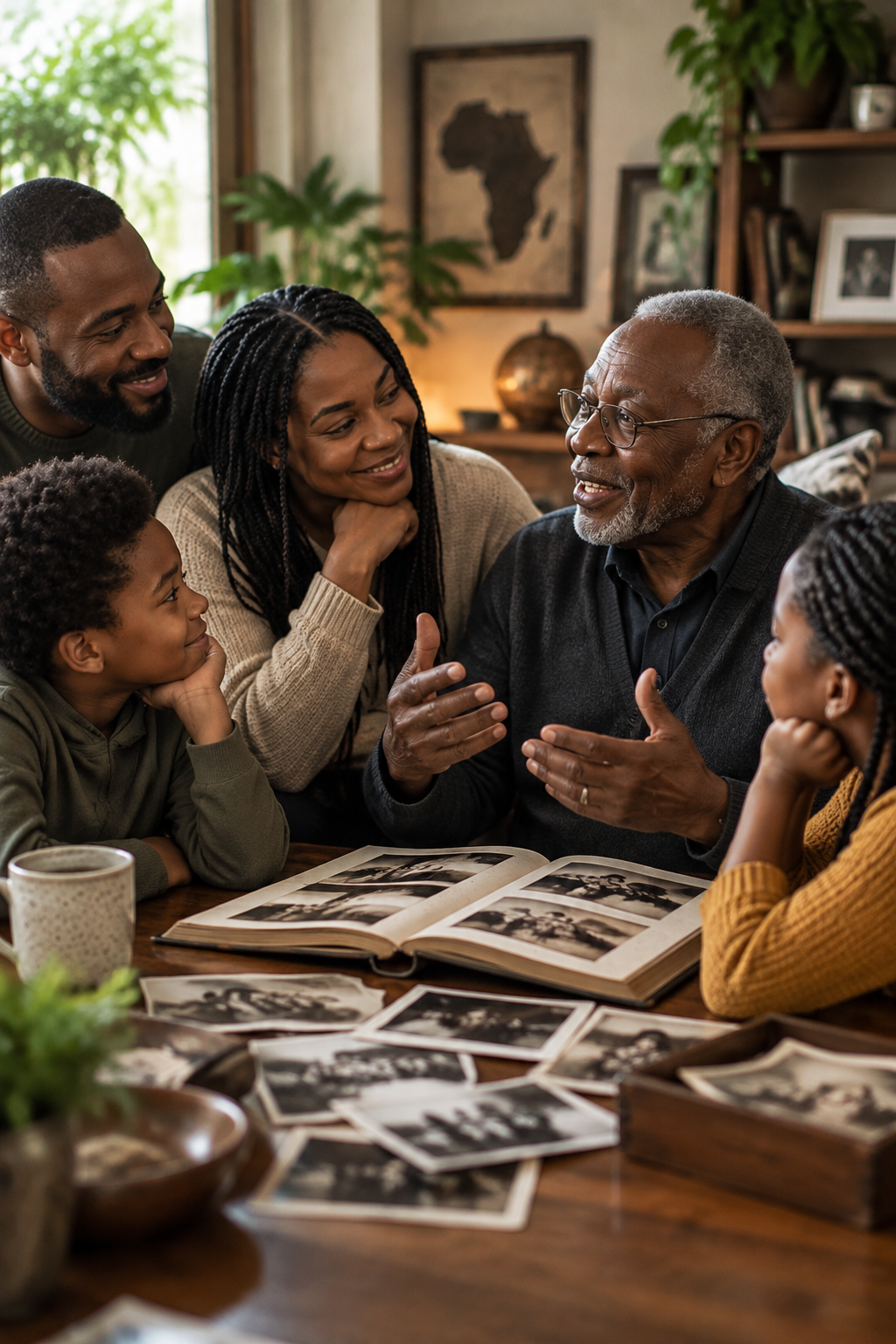
Stories that connect generations and communities
Every family and community carries memories, knowledge and experiences that deserve to be preserved. Echoes of Us creates supportive opportunities for people to reflect, share and record the stories that shaped who they are.
More than recording a memory
- Preserve personal and community history.
- Strengthen intergenerational connection.
- Recognise lived experience.
- Build community connection.
- Create a lasting audio, film or digital record.
Programme formats
Community Storytelling Programme
A structured programme delivered with a community organisation, care provider, local authority, charity or cultural group, including story circles, individual recordings, edited stories and a sharing event.
Illustrative community programme:
- Story Circle One: Where We Come From.
- Story Circle Two: Care, Family and Responsibility.
- Story Circle Three: Belonging.
- Six professionally edited audio stories.
- Eight short social-media clips.
- One community listening or sharing event.
- A digital story page or collection.
- A short activity and learning report.
The final structure and outputs are agreed with the commissioner and adapted to participants, consent, budget and purpose.
Audio & Digital Storytelling
Focused on audio storytelling and digital storytelling formats that capture real-life experiences and intergenerational stories in an accessible, shareable way.
Storytelling formats:
- Story circles for group dialogue and sharing.
- Audio storytelling recordings.
- Digital storytelling with images and voice.
- Intergenerational story exchanges.
- Community narrative collection.
Possible story themes
Who can take part or commission?
Echoes of Us can support older adults, families, intergenerational groups, Black African and Caribbean communities, diaspora communities, unpaid carers, cultural groups and anyone wishing to preserve a significant life story.
Commissioners may include councils, NHS and public-health organisations, charities, care homes, carers’ organisations, housing associations, cultural organisations, universities, community groups and faith organisations.
How it works
A step-by-step collaborative process ensuring contributor comfort, editorial care, and cultural respect.
Initial Conversation
Initial conversation about purpose, participants, audience and format.
Planning & Consent
Planning of themes, questions, consent and recording parameters.
Facilitated Sessions
Individual, family or story-circle sessions guided with empathy.
Professional Production
Professional audio/video recording, sound design, and master editing.
Participant Review
Participant review where appropriate before final sign-off.
Delivery & Sharing
Private delivery or agreed community listening and digital sharing.
Stories shared with permission and respect
Participants decide what they want to share and can identify subjects they do not wish to discuss. GVM explains the intended use, audience and privacy arrangements before recording, and takes particular care with bereavement, trauma, ill health and caring experiences.
Whose story should be preserved?
A story does not have to be famous to be valuable. The memories, knowledge and experiences carried within families and communities deserve the opportunity to be heard and remembered.